Families find hornet hives and grow bee pupae Biology Diagrams Both the larva caterpillars and flying adults become meals for a variety of carnivores and omnivores including wasps, birds, snakes, frogs and toads, lizards, dragonflies, and even rats. What other animals eat solitary bees for energy? Draw a food chain, or more complex food web, that includes your pollinator, flowering plants, and other
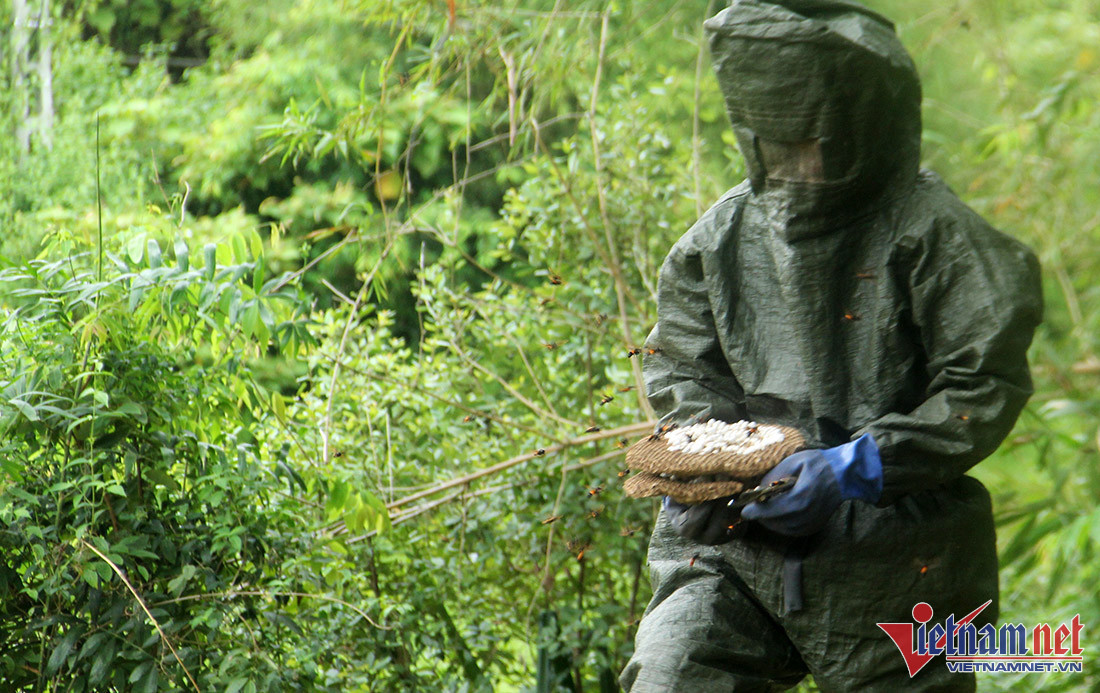
The team saw a wide range of insects such as bees, wasps, beetles the prey species in the guts of more than 1,500 Asian hornet larvae. The larvae typically eat food that is provided by adult Hornets visit flowers to gather pollen and nectar, making them significant pollinators. They can still assist in pollination even though they are less efficient than bees. Hornets play an ecological role in contrast to being a component of the food chain.
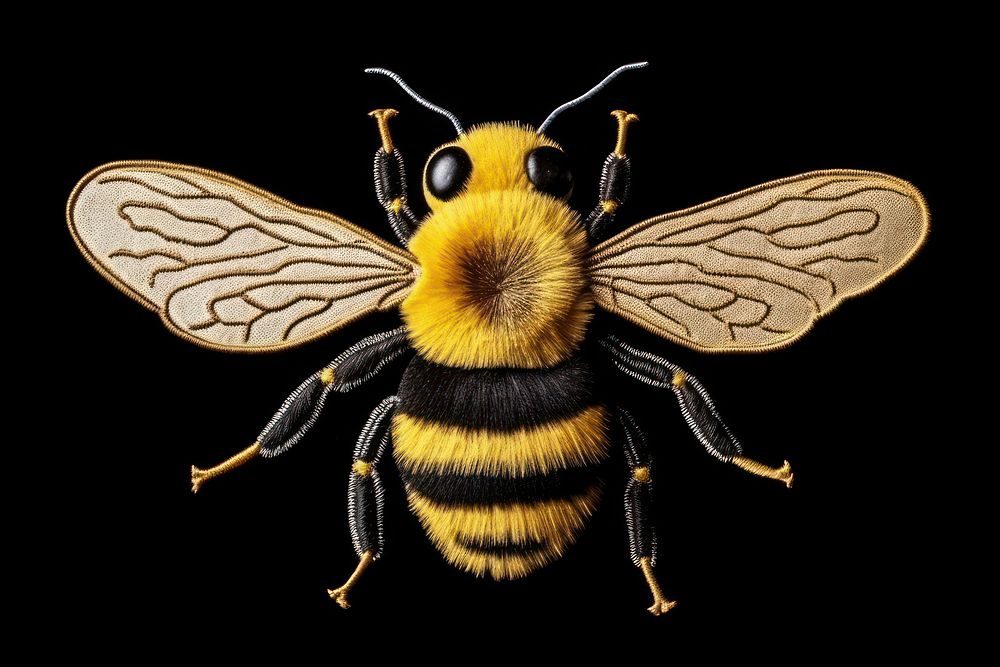
Do Hornets Eat Meat (Are They Carnivores)? Biology Diagrams
When it comes to foraging for food, bees, wasps, and hornets all display similar behaviors. All three creatures feed upon sugary nectar from flowers, as well as any insects they can catch. Also, they all feed on the honeydew produced by aphids, which is a type of sugary liquid. This allows the three species to co-exist in the same area.

Hornets fit into nature's food chain as predators, sitting above most insects and creepy-crawlies in the food web. They are eusocial, living in nests with closely related species. Hornets are crucial to ecology as they primarily serve as insect predators, consuming other insects as food, especially swarms of flies, caterpillars, and other Hornets are carnivores and opportunistic feeders that will eat whatever insects they can find. In the wild, they mainly eat bees, wasps, and flies. Their diet changes between seasons, as different food types become more abundant. Hornets are predatory insects, related to the yellowjacket, that occur throughout the United States and southern Canada.
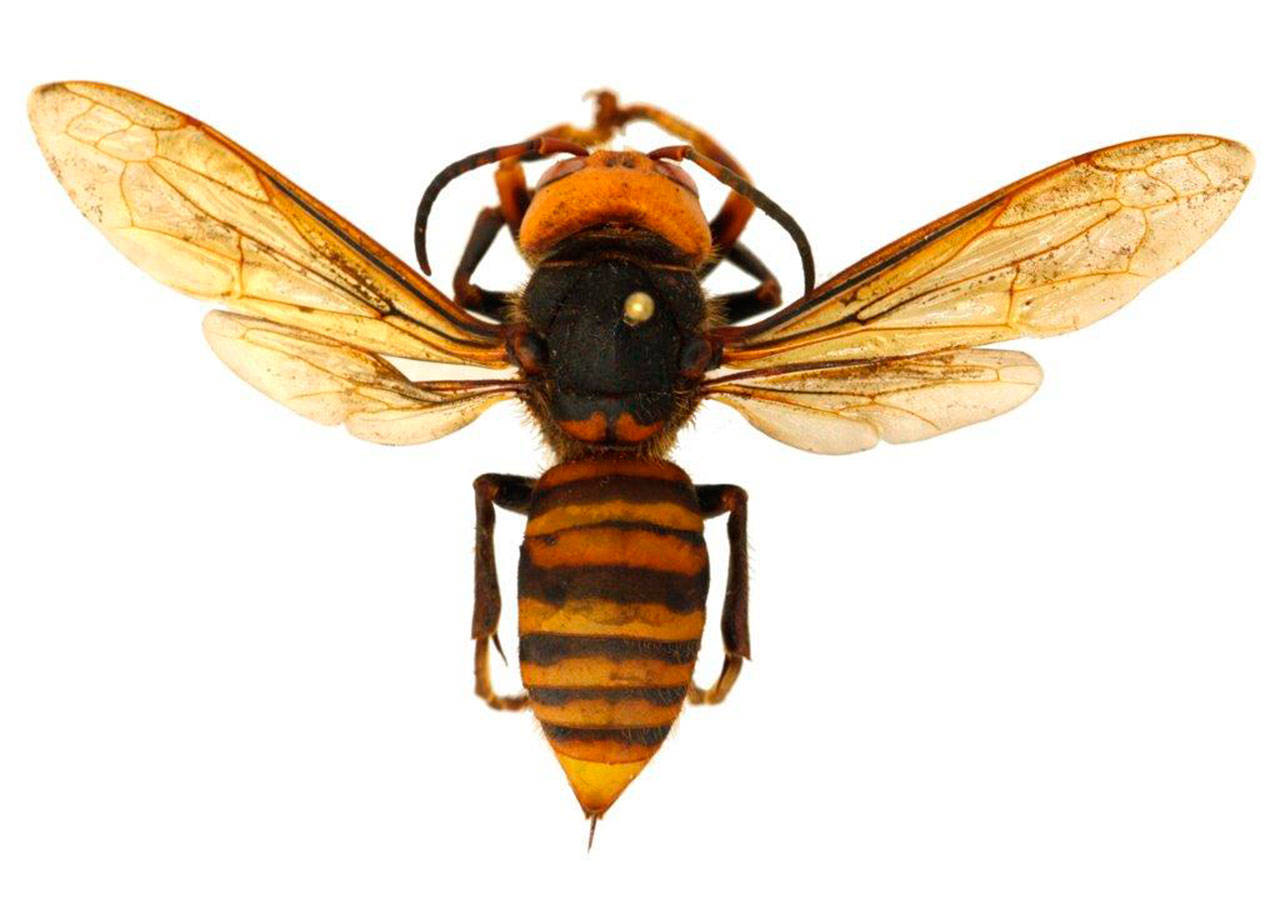
Bees, Wasps, and Hornets: All in the Same Hive? Biology Diagrams
The hornets will then carry the captured bees back to their own nest to feed their larvae. The predation of hornets on bees can have a significant impact on bee populations. Bees are crucial pollinators, playing a vital role in the ecosystem and agriculture. Therefore, the predation of hornets on bees can disrupt pollination processes and
